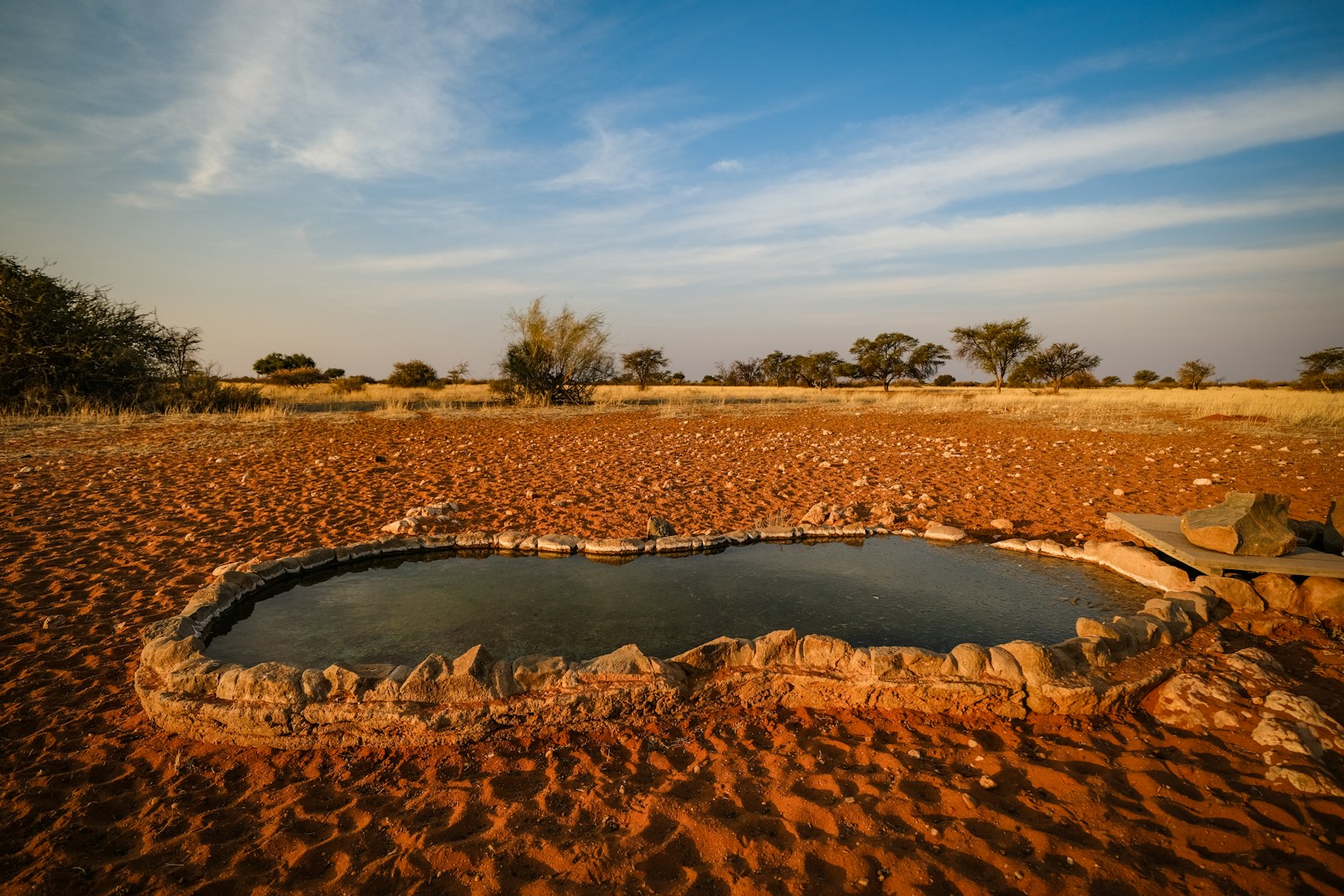
The Geneva Environment Network hosted an online and in real life event this week, responding to a recent United Nations report on water use and falling supplies. Published by the United Nations University Institute for Water, Environment and Health…
Wildfires destroying homes in the Midlands and Shropshire crews moving between fire and flood show why sustainable construction must now treat climate resilience as a core design requirement. Sustainable building design, low carbon design and eco-design for buildings need to account for overheating, fire risk, drainage capacity, defensible space and durable fabric performance.
Whole life carbon, embodied carbon and life cycle cost are becoming inseparable from safety, insurability and asset value, making whole life carbon assessment and lifecycle assessment essential tools for developers, councils and investors.
Karachi’s mangrove loss reinforces the construction value of green infrastructure and nature-based flood protection. Tidal creeks, mangrove belts and resilient coastal landscapes can reduce erosion, store carbon and protect communities, supporting environmental sustainability in construction without relying solely on hard engineering. For sustainable urban development, green construction and eco-friendly construction must prioritise site planning, biodiversity and building lifecycle performance alongside energy-efficient buildings and net zero carbon buildings.
Plans for a wind-turbine recycling facility in the Scottish Highlands point to a more mature circular economy in construction. Renewable infrastructure must address end-of-life reuse in construction, resource efficiency in construction and the embodied carbon in materials, especially composite blades and complex low carbon construction materials. The shift supports circular construction strategies, low embodied carbon materials and net zero whole life carbon targets, aligning with BREEAM, BREEAM v7 and wider expectations for environmental product declarations (EPDs). The strongest signal for decarbonising the built environment is clear: sustainable building practices must measure the carbon footprint of construction across design, use, maintenance and decommissioning.
Whole Life Carbon is a platform for the entire construction industry—both in the UK and internationally. We track the latest publications, debates, and events related to whole life guidance and sustainability. If you have any enquiries or opinions to share, please do
get in touch.
Let's chat!
WLC Assistant
Ask me about sustainability
Hi! I'm your Whole Life Carbon assistant. I can help you learn about sustainability, carbon assessment, and navigate our resources. How can I help you today?