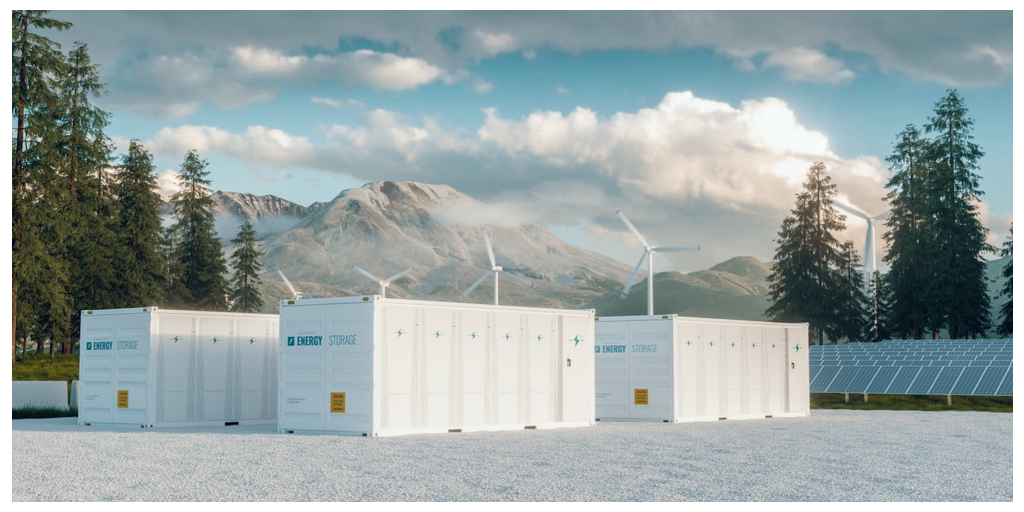
UL Solutions (NYSE: ULS), a global leader in applied safety science, has announced significant enhancements to the testing methods for battery energy storage...
Europe’s sustainable construction agenda is moving from voluntary guidance to enforceable delivery. The revised Energy Performance of Buildings Directive requires every member state to produce a National Building Renovation Plan, making retrofit central to climate policy, housing policy and public finance. The priority is no longer isolated energy upgrades, but whole life carbon, life cycle cost and building lifecycle performance across existing stock. Decarbonisation will need to protect households exposed to energy poverty, particularly in social housing, if energy-efficient buildings, low carbon building upgrades and net zero carbon buildings are to gain lasting political support.
A possible UK-EU emissions trading link would strengthen carbon pricing across construction supply chains. Cement, steel, glass and insulation manufacturers face sharper scrutiny as embodied carbon moves from disclosure to procurement risk. Whole life carbon assessment, lifecycle assessment and environmental product declarations (EPDs) are becoming essential tools for clients seeking credible low carbon design and sustainable material specification. The market signal is clear: low carbon construction materials, low embodied carbon materials, green building materials and renewable building materials are shifting from niche products to strategic assets.
Planning remains a major constraint. UK local authorities continue to miss decision deadlines despite wider use of planning performance agreements, exposing a gap between policy ambition and delivery capacity. Faster housing, green infrastructure and sustainable urban development depend on a consenting system able to assess environmental sustainability in construction without slowing investable projects. Sustainable building design, eco-design for buildings and sustainable design must be embedded early, not retrofitted after approval.
The direction of travel favours net zero whole life carbon, circular economy and circular economy in construction principles. Resource efficiency in construction, embodied carbon in materials, end-of-life reuse in construction and circular construction strategies will increasingly define competitiveness. Frameworks such as BREEAM and BREEAM v7 will have growing influence as clients seek evidence for carbon footprint reduction, carbon neutral construction and decarbonising the built environment. The winners will turn regulation into scalable retrofit, low-impact construction and eco-friendly construction; the laggards will struggle as the carbon footprint of construction becomes a financial, regulatory and reputational liability.
Whole Life Carbon is a platform for the entire construction industry—both in the UK and internationally. We track the latest publications, debates, and events related to whole life guidance and sustainability. If you have any enquiries or opinions to share, please do
get in touch.
Let's chat!
WLC Assistant
Ask me about sustainability
Hi! I'm your Whole Life Carbon assistant. I can help you learn about sustainability, carbon assessment, and navigate our resources. How can I help you today?