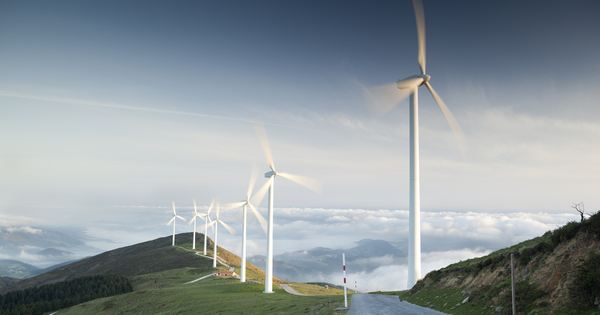
Fresh research by BloombergNEF highlights latest clean power milestones, but warns net zero transition remains off track for meeting Paris Agreement goals
The sustainable construction agenda is moving from visible green features to the systems that determine real performance: planning rules, open data, lifecycle assessment and verifiable environmental outcomes. In England, the Office for Environmental Protection has welcomed proposed Environmental Development Plans, while warning that faster planning will not guarantee nature recovery without stronger evidence, monitoring and enforceable results.
For developers, biodiversity gain, green infrastructure and environmental sustainability in construction can no longer sit at the edge of compliance. New permissions will be judged on measurable habitat improvement, not administrative speed.
Digital delivery is becoming central to low carbon design, sustainable building design and net zero carbon buildings. Open data, interoperable workflows and human-led AI could help project teams compare embodied carbon in materials, assess the carbon footprint of construction, improve sustainable material specification and model building lifecycle performance.
Whole life carbon, whole life carbon assessment and life cycle cost are increasingly critical to procurement, as clients demand clearer evidence on low embodied carbon materials, energy-efficient buildings, resource efficiency in construction and end-of-life reuse in construction.
The direction of travel is towards net zero whole life carbon, circular economy in construction and sustainable building practices that make lower-impact decisions routine. Standards and tools such as environmental product declarations (EPDs), BREEAM and BREEAM v7 will matter more when linked to transparent data and accountable delivery. Technology may support carbon footprint reduction and circular construction strategies, but it cannot replace sound briefs, shared supply-chain information or robust sustainable design judgement.
The industry’s test is now practical: prove that buildings and infrastructure reduce the environmental impact of construction through credible data, low carbon construction materials and ecological results.
Whole Life Carbon is a platform for the entire construction industry—both in the UK and internationally. We track the latest publications, debates, and events related to whole life guidance and sustainability. If you have any enquiries or opinions to share, please do
get in touch.
Let's chat!
WLC Assistant
Ask me about sustainability
Hi! I'm your Whole Life Carbon assistant. I can help you learn about sustainability, carbon assessment, and navigate our resources. How can I help you today?