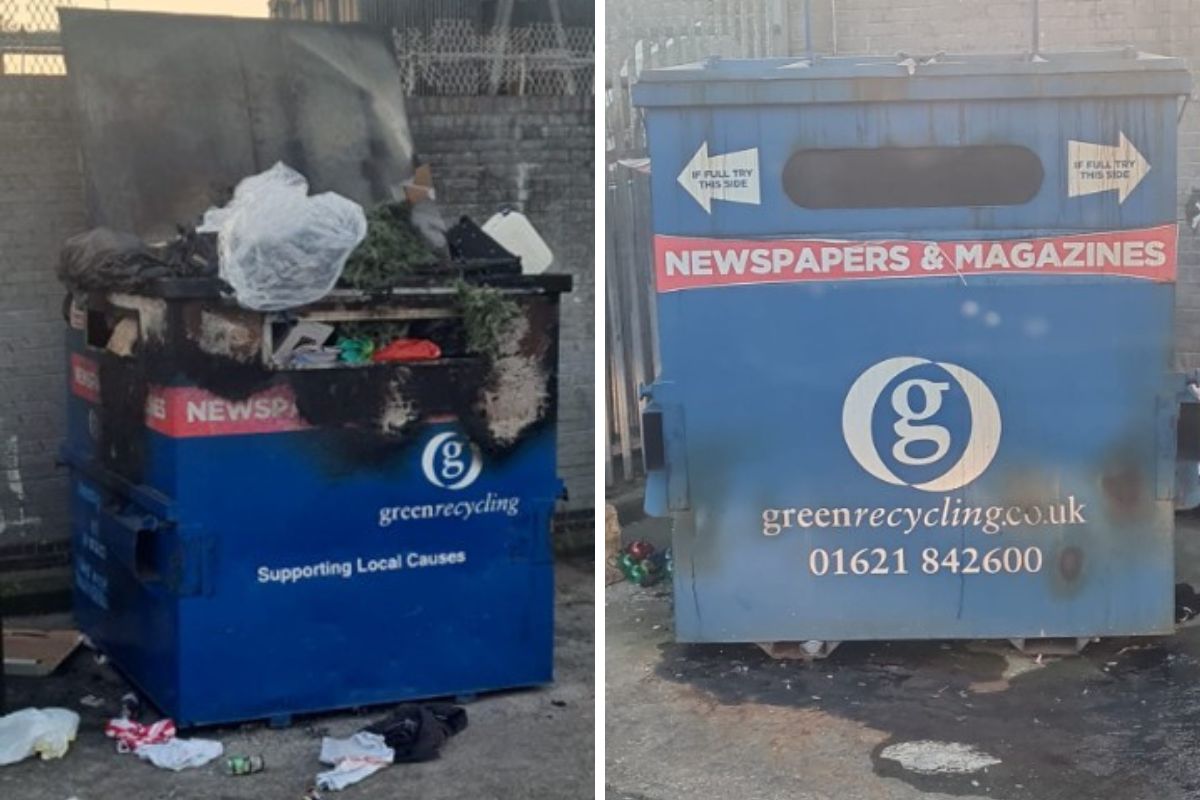
Tendring district council has permanently removed paper recycling banks from a retail park after what was said to be repeated arson attacks. The two newspaper and magazine bins had been in place at the recycling bring site at Waterglade Retail Park in Clacton for several years. Councillor Adrian Smith, cabinet member for environment, said: “Unfortunately, … Read More
The week’s strongest signals for sustainable construction point to delivery constraints rather than headline-grabbing innovation. McKinsey’s warning that Britain’s energy-system bottlenecks could create a £78bn-a-year drag by 2030 underlines a critical risk for net zero carbon buildings: electrified heat, low carbon building systems, low carbon construction materials and energy-efficient buildings depend on grid capacity as much as sustainable building design.
For developers, contractors and manufacturers, decarbonising the built environment is becoming a connection-queue challenge tied directly to whole life carbon, life cycle cost and building lifecycle performance.
Ordnance Survey’s warning over a “climate data blind spot” is equally material. Flood, heat and infrastructure-risk modelling now sit at the centre of planning, insurance, asset valuation and whole life carbon assessment.
Stronger lifecycle assessment, environmental product declarations (EPDs) and better data on embodied carbon in materials will be essential for sustainable material specification, low carbon design and credible carbon footprint reduction. Resilience is moving from sustainability narrative into financial modelling, where life cycle thinking in construction carries direct commercial weight.
Market pressure is sharpening the issue. Weakening sentiment in Australian construction and tighter credit conditions in commercial property could slow retrofit, circular economy in construction, green infrastructure and climate-resilient development unless regulation, finance and demand signals align. BREEAM, BREEAM v7 and comparable frameworks will increasingly need to reflect net zero whole life carbon, resource efficiency in construction, end-of-life reuse in construction and circular construction strategies. Green construction is entering a stricter phase: ambitions remain high, but progress now depends on grids, climate data, capital and regulation turning sustainable building practices into deliverable projects.
Whole Life Carbon is a platform for the entire construction industry—both in the UK and internationally. We track the latest publications, debates, and events related to whole life guidance and sustainability. If you have any enquiries or opinions to share, please do
get in touch.
Let's chat!
WLC Assistant
Ask me about sustainability
Hi! I'm your Whole Life Carbon assistant. I can help you learn about sustainability, carbon assessment, and navigate our resources. How can I help you today?