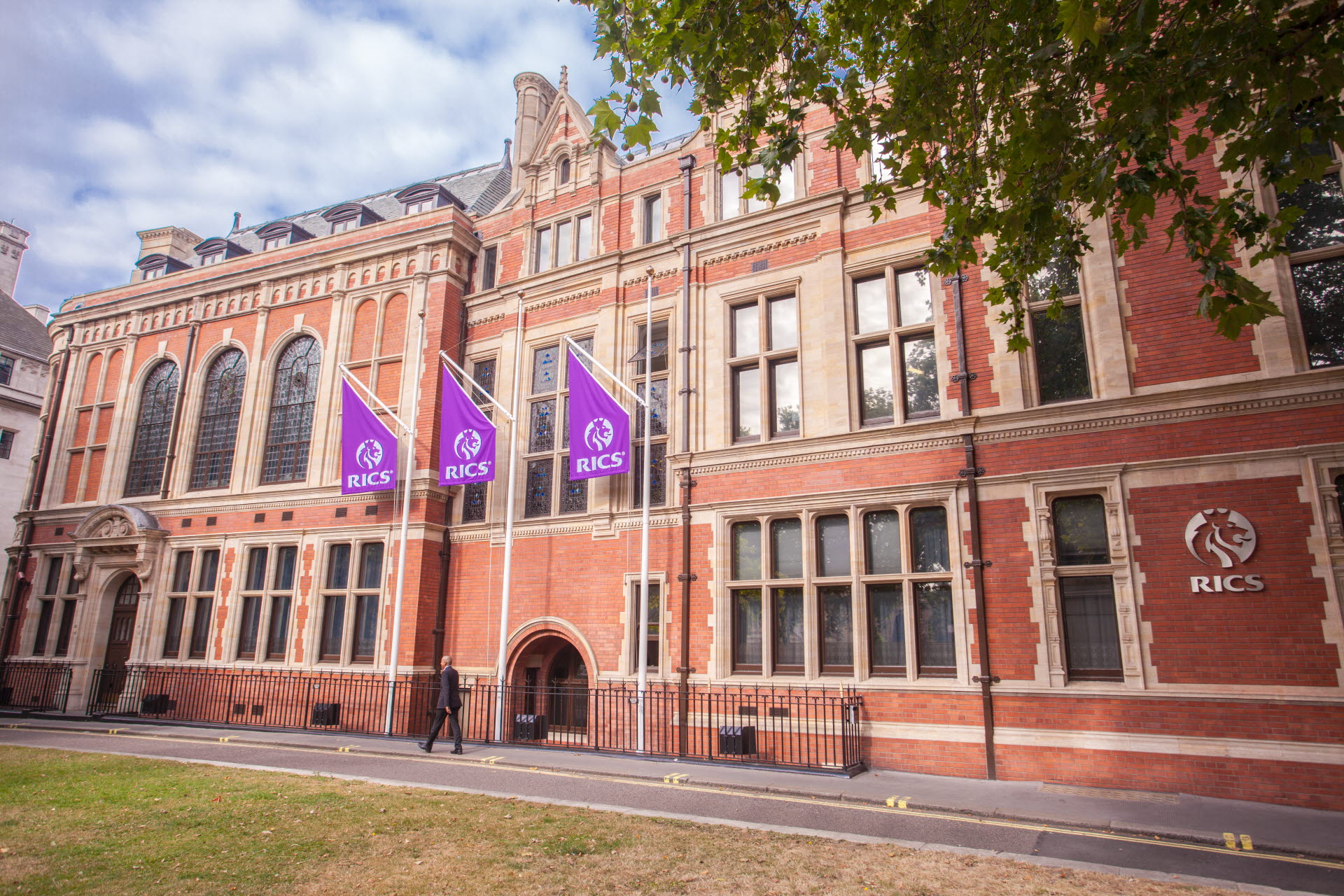
We are pleased to announce a newly appointed Chair of the Middle East and Africa World Regional Board (MEA WRB) and Member of the Membership Services Committee (MSC), Haroon Niazi FRICS.
Sustainable construction is shifting from ambition to procurement discipline, with whole life carbon, embodied carbon and whole life carbon assessment moving to the centre of material selection, planning risk and project delivery.
Holcim’s push to scale calcined clay in Czechia signals a maturing market for low carbon construction materials, as cement and concrete producers move clinker reduction from trial projects into commercial supply chains. The advance supports low carbon design, net zero carbon buildings and carbon footprint reduction, while strengthening the case for lifecycle assessment, environmental product declarations (EPDs) and sustainable material specification across major projects.
Regulatory pressure on chemicals is becoming a defining issue for environmental sustainability in construction. US state-level PFAS restrictions are creating compliance complexity for sealants, coatings, membranes and treated materials, with implications for global manufacturers and specifiers. Durable construction products will increasingly need to prove both performance and toxicological restraint, reshaping green building materials, green building products and sustainable building practices. This scrutiny reinforces life cycle thinking in construction, resource efficiency in construction and the wider circular economy in construction.
The UK policy debate around faster infrastructure delivery, energy strategy and environmental regulation highlights the tension between speed and credible decarbonising the built environment. Faster consent will not automatically deliver net zero whole life carbon, low embodied carbon materials or energy-efficient buildings unless planning reform is tied to sustainable building design, eco-design for buildings and robust building lifecycle performance. For developers, contractors and suppliers, the commercial priority is clear: align low carbon building strategies with life cycle cost, BREEAM, BREEAM v7 and circular construction strategies, or risk being overtaken as green construction standards become more forensic and fragmented.
Whole Life Carbon is a platform for the entire construction industry—both in the UK and internationally. We track the latest publications, debates, and events related to whole life guidance and sustainability. If you have any enquiries or opinions to share, please do
get in touch.
Let's chat!
WLC Assistant
Ask me about sustainability
Hi! I'm your Whole Life Carbon assistant. I can help you learn about sustainability, carbon assessment, and navigate our resources. How can I help you today?