Sustainable construction is shifting from ambition to verified performance, with whole life carbon, embodied carbon and whole life carbon assessment becoming central tests of credibility. Britain’s recycled and secondary aggregates market is still reliant on data almost two decades old, leading WATA to support calls for a new government survey. Reliable evidence on supply, quality and regional availability is essential if the circular economy in construction is to move beyond policy intent and support dependable sustainable material specification, low carbon construction materials and resource efficiency in construction at scale.
The pressure to measure the carbon footprint of construction is widening the focus from operational energy to building lifecycle performance. The Architectural Heritage Fund’s selection of 25 regeneration projects highlights the rising importance of adaptive reuse as a practical route to lower embodied carbon in materials, carbon footprint reduction and sustainable urban development. Retaining existing structures can avoid demolition waste, reduce demand for green building materials and support net zero whole life carbon goals where lifecycle assessment proves reuse is preferable to rebuild.
Health, resilience and maintenance are becoming inseparable from environmental sustainability in construction. Evidence from more than 4,500 damp and mould-affected structures points to failures in building fabric, ventilation and upkeep, raising scrutiny of retrofit quality, sustainable building design and life cycle cost. Energy-efficient buildings and net zero carbon buildings will depend on durable fabric, effective ventilation and sustainable building practices, not headline targets alone.
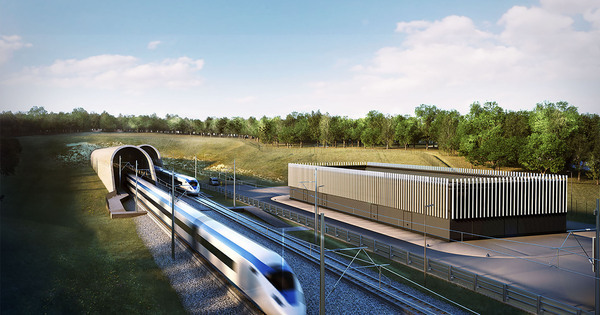
HS2’s completed Westbury Viaduct over the River Great Ouse floodplain shows how major infrastructure is increasingly judged against green infrastructure, low carbon design and climate resilience as well as delivery. The direction of green construction is clear: stronger data, circular construction strategies, longer building lives and more disciplined assessment through tools such as BREEAM, BREEAM v7, environmental product declarations (EPDs) and life cycle thinking in construction. The industry’s challenge is to turn sustainable design, eco-design for buildings and decarbonising the built environment into measurable outcomes across every project stage.
Whole Life Carbon is a platform for the entire construction industry—both in the UK and internationally. We track the latest publications, debates, and events related to whole life guidance and sustainability. If you have any enquiries or opinions to share, please do
get in touch.
Let's chat!
WLC Assistant
Ask me about sustainability
Hi! I'm your Whole Life Carbon assistant. I can help you learn about sustainability, carbon assessment, and navigate our resources. How can I help you today?