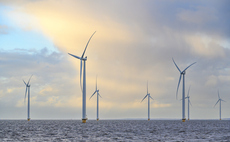
BNEF reveals corporates delivered second highest level of annual clean power purchase agreement activity in 2025
At a Glance
In 2025, Meta, Amazon, Google, and Microsoft collectively accounted for 49% of global corporate clean power purchase agreement (PPA) deals, marking the second-highest year on record for PPA activity. These tech giants played a significant role in driving the market for renewable energy commitments, highlighting their influence in the green economy. The surge reflects growing corporate focus on sustainable energy sourcing, though specific details on total deal numbers or other contributors were not provided. This trend underscores the increasing importance of renewable energy investments by major corporations in supporting global clean energy goals.
The Environment Agency’s consultation on end-of-waste criteria for aggregates from inert waste is a significant test for sustainable construction, with direct implications for whole life carbon, embodied carbon and the circular economy in construction. Clearer regulation would help contractors specify recycled aggregates with confidence, strengthen sustainable material specification and reduce dependence on virgin extraction. This is central to low carbon construction materials, green building materials and resource efficiency in construction, supporting whole life carbon assessment, lifecycle assessment and measurable carbon footprint reduction across projects.
Sumitomo’s £350m HVDC subsea cable factory at Port of Nigg underlines the infrastructure needed for decarbonising the built environment. Energy-efficient buildings, heat pumps, data centres, low carbon building projects and net zero carbon buildings depend on grid capacity that can move renewable power at scale. Grid constraints are now a material risk to sustainable building design, low carbon design and net zero whole life carbon ambitions, affecting both life cycle cost and building lifecycle performance.
Warnings from the heat-network sector highlight cooling as a growing priority for sustainable urban development. Overheating is becoming a mainstream design risk, making networks that balance heating and cooling essential to resilient green infrastructure, eco-design for buildings and sustainable architecture. This shift will shape sustainable building practices and the future carbon footprint of construction, particularly in dense cities where low-impact construction and eco-friendly construction must respond to changing climate conditions.
The dispute over delayed climate assessments reinforces the need for stronger governance. Environmental sustainability in construction depends on timely scrutiny, reliable environmental product declarations (EPDs), credible circular construction strategies and transparent assessment of the environmental impact of construction. Standards such as BREEAM and BREEAM v7 will remain influential only if policy, procurement and investment align around net zero carbon, carbon neutral construction, end-of-life reuse in construction and life cycle thinking in construction. Green construction now needs bankable systems, not isolated pilots: regulation for recycled materials, clean-energy infrastructure and accountable policy must advance together.
Whole Life Carbon is a platform for the entire construction industry—both in the UK and internationally. We track the latest publications, debates, and events related to whole life guidance and sustainability. If you have any enquiries or opinions to share, please do
get in touch.
Let's chat!
WLC Assistant
Ask me about sustainability
Hi! I'm your Whole Life Carbon assistant. I can help you learn about sustainability, carbon assessment, and navigate our resources. How can I help you today?