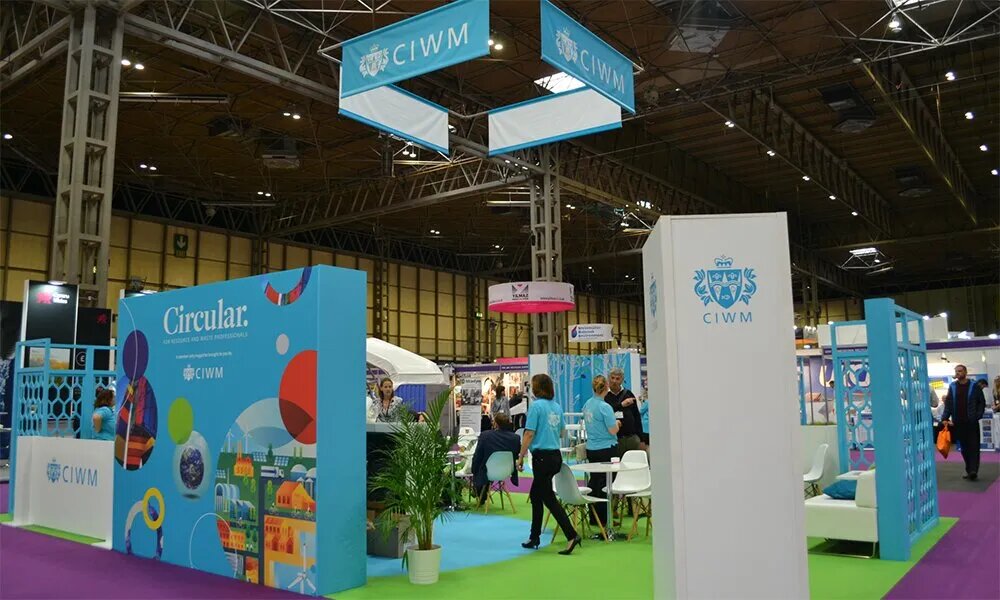
Defra to publish new carbon budget and delivery plan in net zero drive The UK Government will publish a new carbon budget and delivery plan next month as part of efforts to accelerate progress towards net zero, James Cruddas (pictured), Deputy Director at Defra, told delegates during the opening keynote at RWM 2025. He said the plan would form part of a broader strategy developed with departments across Whitehall and the Circular Economy Task Force, aimed at supporting economic growth, reducing consumer costs and cutting emissions. Cruddas identified reducing biodegradable waste to landfill as a key priority, stressing its impact
Flood-performance certificates planned for government and Flood Re testing before a wider 2027 rollout signal a major shift for sustainable construction: climate resilience is becoming a measurable asset risk. Flood exposure, insurance access and property value are moving into the same decision framework as whole life carbon, life cycle cost and building lifecycle performance. A new national flood-advice service and protection pledge for 200,000 properties strengthen the case for sustainable building design that treats adaptation, green infrastructure and low-impact construction as core requirements rather than optional upgrades.
Bupa’s expanded work with the Norman Foster Foundation on urban greening, active travel and public cooling reinforces the link between healthy places and environmental sustainability in construction. The direction supports sustainable urban development, eco-design for buildings and sustainable architecture that reduces overheating, improves walkability and makes neighbourhoods more resilient. For developers pursuing BREEAM, BREEAM v7, net zero carbon buildings and net zero whole life carbon, the message is clear: sustainable design must account for public health, heat risk, flood resilience and operational energy use across the full building lifecycle.
Reports that the UK and EU are moving closer to linking emissions trading systems could reshape procurement for steel, cement and other high-emission products. A deeper carbon market would increase pressure to cut the carbon footprint of construction through low carbon design, low carbon construction materials, green building materials, renewable building materials and stronger sustainable material specification. Credible carbon pricing would make embodied carbon, embodied carbon in materials and environmental product declarations (EPDs) more influential in tendering, lifecycle assessment and whole life carbon assessment.
New research suggesting insulation schemes may be underestimating heat loss exposes a persistent performance gap in energy-efficient buildings. Models are not enough if completed assets fail in use. As electrification and battery storage accelerate, demand reduction becomes central to net zero carbon, carbon footprint reduction and decarbonising the built environment. The sector needs sustainable building practices based on measurement, resource efficiency in construction, circular economy principles, circular economy in construction, end-of-life reuse in construction and circular construction strategies. Low carbon building delivery, eco-friendly construction and carbon neutral construction now depend on verified outcomes, not design intent alone.
Whole Life Carbon is a platform for the entire construction industry—both in the UK and internationally. We track the latest publications, debates, and events related to whole life guidance and sustainability. If you have any enquiries or opinions to share, please do
get in touch.
Let's chat!
WLC Assistant
Ask me about sustainability
Hi! I'm your Whole Life Carbon assistant. I can help you learn about sustainability, carbon assessment, and navigate our resources. How can I help you today?