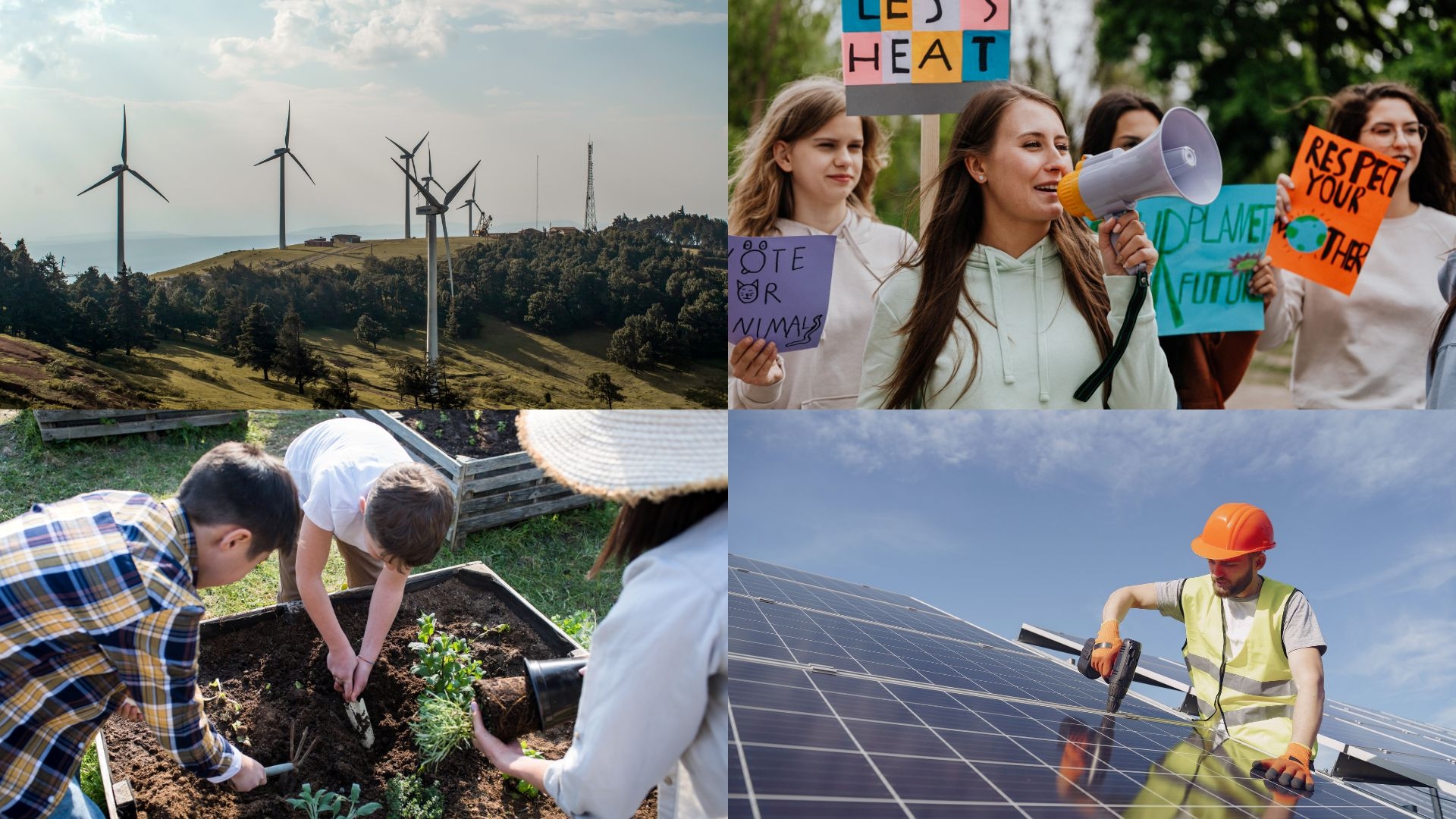
Discover Getty's insights on sustainability visuals. 55% of UK consumers feel climate change daily, demanding brands depict real actions, not just promises.
The sustainable construction market is advancing under pressure from tougher carbon targets, constrained delivery capacity and rising scrutiny of supply chains. The UK’s push to simplify installation of EV chargers, heat pumps, solar panels and batteries could accelerate retrofit demand and support net zero carbon buildings, provided grid connections, finance and installer capacity improve. For developers, this strengthens the case for sustainable building design, low carbon design and whole life carbon assessment at project inception, linking operational energy, embodied carbon and life cycle cost rather than treating sustainability as a late-stage compliance exercise.
Oxford Street’s pedestrianisation marks a wider shift towards sustainable urban development, cleaner air and green infrastructure in high-value commercial districts. Legal pressure over smog, construction dust and weak environmental enforcement shows that the environmental impact of construction is being judged locally as well as through national carbon budgets. Sustainable building practices, eco-design for buildings and low-impact construction are becoming central to planning credibility, public health outcomes and long-term asset value.
Materials procurement is becoming a strategic risk as the European Commission investigates alleged PVC dumping following a surge in Chinese imports. PVC remains widely used in pipes, cables, membranes and finishes, so any trade action could affect costs, availability and specification decisions. Contractors and clients need stronger sustainable material specification, lifecycle assessment and environmental product declarations (EPDs) to manage embodied carbon in materials, improve traceability and reduce exposure to volatile imports. The circular economy in construction, resource efficiency in construction and end-of-life reuse in construction are moving from policy language into commercial necessity.
AI-driven data centre demand is exposing a central challenge for green construction. Turner & Townsend warns that surging requirements and the UK skills shortage are increasing construction costs. Data centres are vital to the digital economy, yet they are energy-intensive and materials-heavy assets arriving as the sector is expected to deliver net zero whole life carbon, carbon footprint reduction and lower embodied carbon. BREEAM, BREEAM V7 and stronger building lifecycle performance metrics will be critical in assessing whether these projects can meet credible environmental sustainability in construction standards.
A 13% fall in new home registrations underlines the delivery gap. Policy momentum behind decarbonising the built environment is growing, but labour shortages, uncertain demand and fragile supply chains continue to slow progress. The next phase of sustainable construction will depend on whole life carbon discipline, low embodied carbon materials, circular construction strategies and robust life cycle thinking in construction, not headline commitments alone.
Whole Life Carbon is a platform for the entire construction industry—both in the UK and internationally. We track the latest publications, debates, and events related to whole life guidance and sustainability. If you have any enquiries or opinions to share, please do
get in touch.
Let's chat!
WLC Assistant
Ask me about sustainability
Hi! I'm your Whole Life Carbon assistant. I can help you learn about sustainability, carbon assessment, and navigate our resources. How can I help you today?