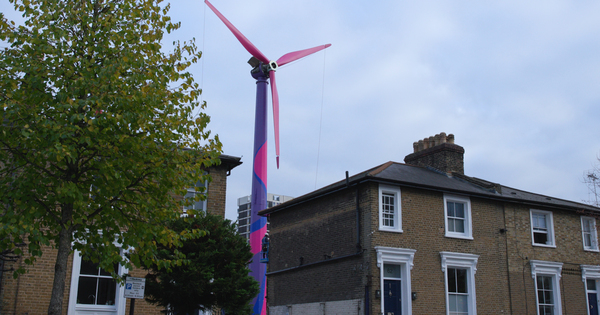
Octopus Energy and Britain Remade team up to demonstrate how quickly wind turbines can be installed when not facing planning and grid connection delays
Sustainable construction is moving from ambition to delivery, with whole life carbon, embodied carbon and life cycle cost now central to procurement, specification and planning risk.
Manchester spin-out Concretene has raised £4.5m to scale a biogas-based graphene admixture for carbon-negative concrete, strengthening the market for low carbon construction materials and green building materials. If proven at scale, the technology could reduce cement demand, lower the carbon footprint of construction and support low carbon building delivery without sacrificing structural performance. The shift places whole life carbon assessment, lifecycle assessment and life cycle thinking in construction at the heart of sustainable building design.
Specifiers seeking net zero whole life carbon outcomes are under pressure to assess embodied carbon in materials, verify claims through environmental product declarations (epds), and prioritise sustainable material specification over superficial green construction claims. The rise of low embodied carbon materials is becoming a practical route to carbon footprint reduction, resource efficiency in construction and stronger building lifecycle performance. Supply chain scrutiny is intensifying as the European Commission investigates alleged PVC dumping after reported Chinese exports to Europe rose twelvefold. The case exposes the vulnerability of construction supply chains that rely on cheap, high-volume materials while clients demand circular economy in construction, end-of-life reuse in construction and circular construction strategies. Embodied carbon, toxicity, durability and recyclability are now commercial issues, not niche sustainability concerns.
The UK push by Ofgem, government and energy firms to remove barriers to heat pumps, solar panels, batteries and EV chargers shows that net zero carbon buildings depend on more than technology. Grid connections, permissions, installer capacity and consumer confidence will determine whether energy-efficient buildings, low carbon design and eco-design for buildings can be delivered at scale. Retrofit growth will require sustainable building practices, credible funding models and clearer routes to net zero carbon performance.
Oxford Street’s traffic removal programme frames sustainable urban development as infrastructure, public health and commercial resilience. Pedestrianisation can improve air quality, support green infrastructure and demonstrate how environmental sustainability in construction extends beyond individual assets to streets, districts and civic space. Its success will influence global debates on low-impact construction, sustainable architecture and decarbonising the built environment.
The sector’s priority is no longer ideas. It is execution. Net zero carbon, breeam, breeam v7, circular economy, renewable building materials and carbon neutral construction will only matter if the built environment can deliver affordable, verifiable and resilient outcomes across materials, buildings and cities.
Whole Life Carbon is a platform for the entire construction industry—both in the UK and internationally. We track the latest publications, debates, and events related to whole life guidance and sustainability. If you have any enquiries or opinions to share, please do
get in touch.
Let's chat!
WLC Assistant
Ask me about sustainability
Hi! I'm your Whole Life Carbon assistant. I can help you learn about sustainability, carbon assessment, and navigate our resources. How can I help you today?