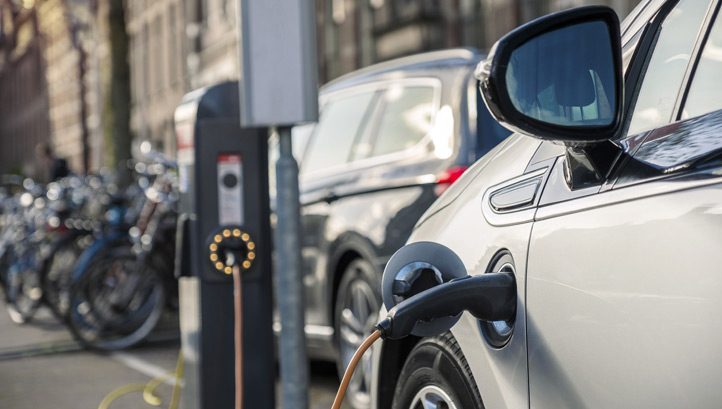
The UK Government is unveiling changes to the Zero Emission Vehicle (ZEV) Mandate to improve flexibility for manufacturers, delivering tax breaks to help people switch vehicles all while still delivering the 2030 phase-out date for sales of new petrol and diesel cars.
Europe’s revised Energy Performance of Buildings Directive is moving sustainable construction from policy ambition to delivery obligation. National Building Renovation Plans will force member states to turn retrofit targets into funded programmes, with energy-efficient buildings, affordable housing and energy poverty now treated as linked priorities.
Decarbonising the built environment will depend on sustainable building design, low carbon design and life cycle thinking in construction that measure operational energy alongside whole life carbon, embodied carbon and building lifecycle performance.
Potential UK-EU emissions trading alignment could strengthen the carbon signal across cement, steel, glass and other emissions-intensive supply chains. That would make embodied carbon in materials, low carbon construction materials, environmental product declarations (EPDs) and whole life carbon assessment more central to procurement decisions.
A more coherent market for carbon would support net zero carbon buildings, net zero whole life carbon targets and carbon footprint reduction, while reducing opportunities for regulatory arbitrage in green construction. Delivery capacity remains the critical constraint. UK local authorities are struggling to meet planning deadlines despite higher planning performance agreement fees, exposing a gap between environmental sustainability in construction and the administrative systems needed to deliver it.
The next phase of sustainable urban development requires executable renovation plans, finance aligned with life cycle cost, stronger sustainable material specification, circular economy in construction principles, and competent public-sector capacity. Sustainable building practices will be judged less by rhetoric than by measurable carbon footprint of construction, resource efficiency in construction, end-of-life reuse in construction and progress towards carbon neutral construction at scale.
Whole Life Carbon is a platform for the entire construction industry—both in the UK and internationally. We track the latest publications, debates, and events related to whole life guidance and sustainability. If you have any enquiries or opinions to share, please do
get in touch.
Let's chat!
WLC Assistant
Ask me about sustainability
Hi! I'm your Whole Life Carbon assistant. I can help you learn about sustainability, carbon assessment, and navigate our resources. How can I help you today?