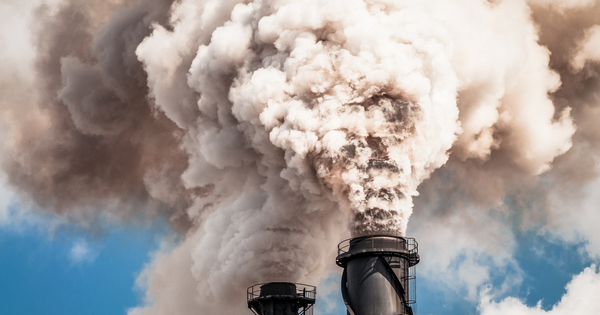
Stark update warns there is still 'no sign' the world has reached peak carbon emissions, meaning the Paris Agreement's 1.5C target could be consistently breached within a decade
Sustainable construction is moving from ambition to delivery risk, with retrofit governance now central to environmental sustainability in construction. Industry calls for government-backed schemes to require proper insurance, verified competence and reliable certification expose a critical weakness in the route to net zero carbon buildings. London boroughs struggling to recruit building control staff underline the same issue: without trusted assessors, insured contractors and skilled certifiers, retrofit programmes become slower, more expensive and more exposed to failure.
Façade remediation is entering a phase where compliance alone is insufficient. Building owners are being pushed to convert risk registers into funded, sequenced works informed by whole life carbon assessment, lifecycle assessment and life cycle cost. The direction of travel favours sustainable building design, low carbon design and stronger building lifecycle performance, with frameworks such as breeam and breeam v7 likely to gain greater relevance as clients demand clearer evidence of carbon footprint reduction and safer delivery.
Policy uncertainty is undermining confidence in low carbon construction materials, heat pumps, fabric upgrades and skills investment. Moves within the Conservative party to challenge the UK’s climate framework, including the Climate Change Act, create risk for long-term capital planning. Net zero whole life carbon, energy-efficient buildings and decarbonising the built environment require stable policy, not shifting political signals.
Infrastructure is facing tougher sustainability tests. Data centres are now being judged on power availability, embodied carbon, cooling demand, water resilience and the wider carbon footprint of construction. England and Wales entering winter drought reinforces the need for sustainable urban development, green infrastructure and eco-design for buildings suited to a changing climate.
Circular economy in construction is moving into regulation and supply-chain delivery. Tighter corporate responsibility for waste, a British Plastics Federation roadmap to lift expanded polystyrene recycling to 80% by 2035, and new materials-recovery capacity in Teesside point towards a stronger market for secondary resources. This could support low embodied carbon materials, green building products, resource efficiency in construction and end-of-life reuse in construction, provided traceability, quality assurance and environmental product declarations (epds) keep pace.
Construction sites are also being drawn into carbon reduction. Amey’s trial of a hydrogen fuel-cell generator with battery storage for an off-grid National Highways compound signals growing demand for low-impact construction and cleaner temporary works. Sustainable building practices now extend beyond permanent assets to the site compound, plant strategy and procurement choices that shape the full environmental impact of construction.
Whole Life Carbon is a platform for the entire construction industry—both in the UK and internationally. We track the latest publications, debates, and events related to whole life guidance and sustainability. If you have any enquiries or opinions to share, please do
get in touch.
Let's chat!
WLC Assistant
Ask me about sustainability
Hi! I'm your Whole Life Carbon assistant. I can help you learn about sustainability, carbon assessment, and navigate our resources. How can I help you today?