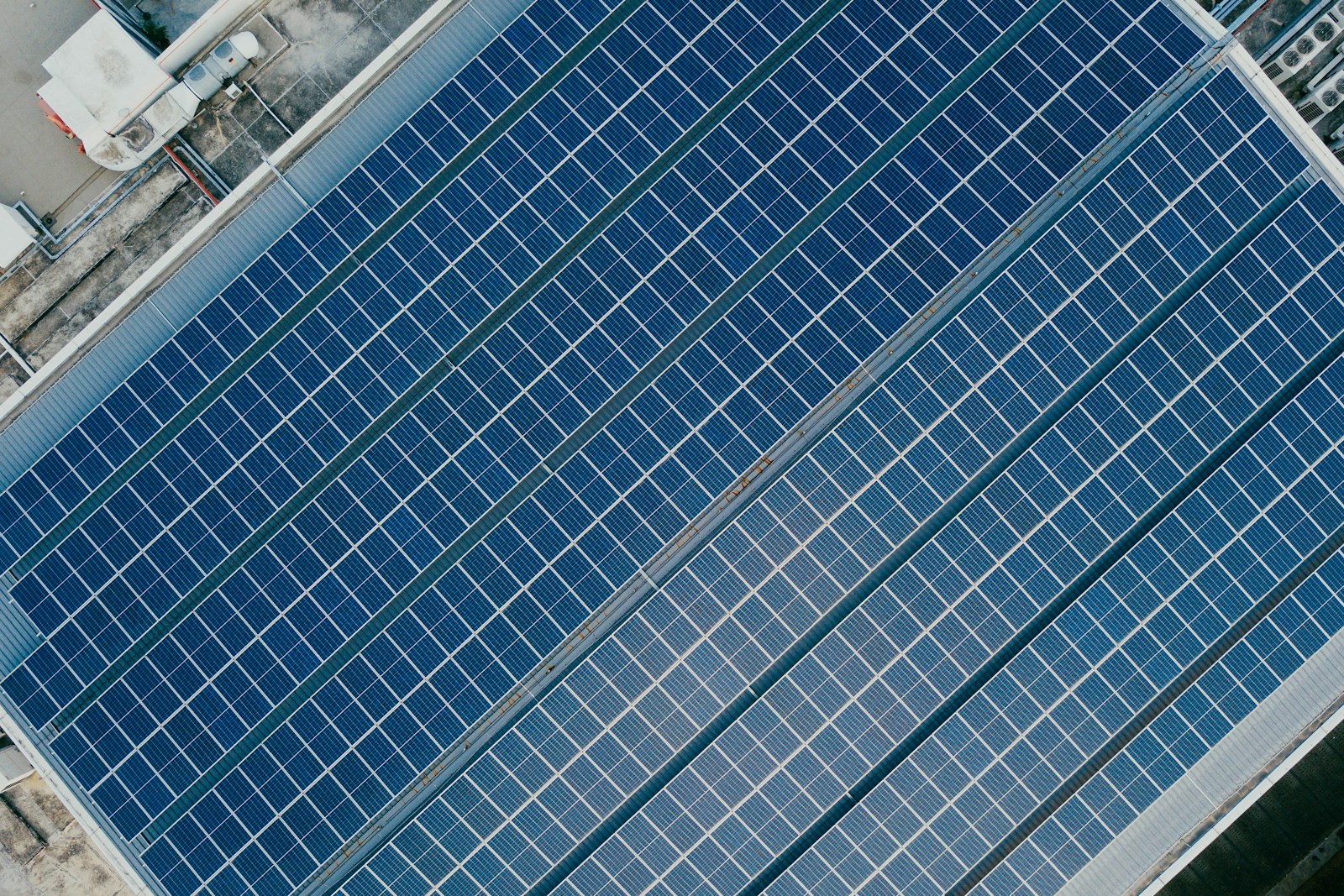
A leading solar energy provider is urging ministers to reform existing rules preventing widespread transformation of the UK plc estate. SolarSense has asked for HMRC to provide more guidance and clarify its stance on solar installations at commercial and industrial…
Sustainable construction is moving from ambition to enforceable systems change, with electrified buildings, resilience and whole life carbon now shaping development strategy. Calls for a UK 2035 electrification target covering heat pumps, solar, batteries and clean technologies put pressure on developers to align sustainable building design with low-carbon power, flexible demand and on-site generation. Fabric-first design remains vital, but net zero carbon buildings will increasingly depend on operational performance, smart controls and credible whole life carbon assessment.
Global energy markets are accelerating the shift. Forecasts of a 4,800GW rise in renewable capacity by 2035, supported by China’s clean-tech export strength, are changing the economics of building services. Heat pumps, battery storage and intelligent controls are becoming core infrastructure for energy-efficient buildings, not optional upgrades. Future-ready assets will need low carbon design capable of using variable clean electricity while protecting occupiers from volatile fossil fuel costs and reducing the carbon footprint of construction over time.
Regulation is tightening around measurable performance. The Future Homes Standard is forcing design teams to reassess roofs, floors, comfort, ventilation and commissioning, while building-controls specialists are urging ministers to turn efficiency policy into practical support for businesses. BREEAM, BREEAM v7 and lifecycle assessment frameworks are becoming more important for demonstrating environmental sustainability in construction, linking embodied carbon, operational energy, life cycle cost and building lifecycle performance in a single evidence base.
The next phase of green construction will demand stronger action on embodied carbon in materials, low carbon construction materials and sustainable material specification. Developers, architects and contractors face growing pressure to use environmental product declarations (EPDs), low embodied carbon materials, renewable building materials and green building products to prove carbon footprint reduction. Circular economy in construction is also moving up the agenda, with circular construction strategies, resource efficiency in construction and end-of-life reuse in construction becoming central to net zero whole life carbon delivery.
Climate adaptation is now a capital planning issue. New flood and coastal-defence schemes in England and Wales show that green infrastructure, sustainable urban development and low-impact construction must protect assets from climate risks already locked in. Sustainable architecture and eco-design for buildings can no longer treat resilience separately from decarbonising the built environment. The industry must deliver eco-friendly construction, carbon neutral construction and sustainable building practices that reduce the environmental impact of construction while preparing communities for more extreme weather.
Whole Life Carbon is a platform for the entire construction industry—both in the UK and internationally. We track the latest publications, debates, and events related to whole life guidance and sustainability. If you have any enquiries or opinions to share, please do
get in touch.
Let's chat!
WLC Assistant
Ask me about sustainability
Hi! I'm your Whole Life Carbon assistant. I can help you learn about sustainability, carbon assessment, and navigate our resources. How can I help you today?