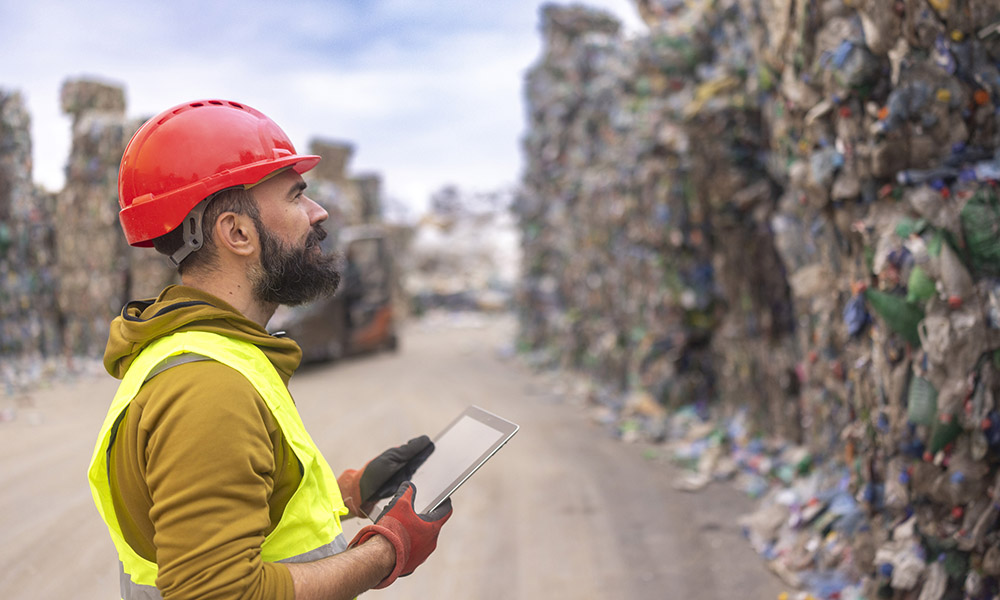
CIWM is to develop and deliver an individual competence route for waste operators under proposed reforms to England’s waste carrier, broker and dealer regime. The reforms would replace the existing registration system with an environmental permitting framework for waste controllers and waste transporters. Subject to legislation, the new system is expected to begin in 2027. Under the plans, operators would need to demonstrate technical competence to hold relevant permits, marking a change from the current carrier, broker and dealer registration regime. The new framework would introduce three permit types: waste controller permits, waste transporter permits and combined controller-transporter
Sustainable construction is moving beyond efficient assets towards climate-resilient, resource-efficient buildings designed for fire, flood, heat and material scarcity. Wildfires that destroyed 38 homes in the Midlands, coupled with UK fire crews switching between wildfire and flood response, expose the growing environmental impact of construction decisions that overlook location, fabric, landscape management and passive survivability. UN warnings on rising seas, floods and drought across South Asia show that sustainable urban development is now inseparable from housing security, infrastructure resilience and migration risk.
For developers, designers and contractors, whole life carbon, embodied carbon and life cycle cost can no longer be treated as separate technical exercises.
A robust whole life carbon assessment must sit alongside lifecycle assessment, fire strategy, flood resistance, maintenance planning and insurance risk. Sustainable building design now demands non-combustible envelopes, defensible space, flood-resistant detailing, energy-efficient buildings and low carbon design that performs under real climate stress, not just at practical completion.
Circular economy principles are becoming central to environmental sustainability in construction. Plans for a wind-turbine recycling facility in the Scottish Highlands highlight a market for difficult composite waste, with clear relevance for circular economy in construction and end-of-life reuse in construction. Research turning plastic waste, including packaging and old CDs, into moisture-capturing polymer networks points towards future low carbon construction materials, green building products and renewable building materials that convert waste streams into useful infrastructure resources.
Policy and procurement remain decisive. Reports that UK rules restrict innovation in hard-to-recycle plastic film show that regulation must support circular construction strategies, resource efficiency in construction and sustainable material specification. Progress on net zero carbon buildings, net zero whole life carbon and carbon footprint reduction will depend on codes, insurance models and procurement frameworks that reward low embodied carbon materials, environmental product declarations (EPDs), eco-design for buildings and building lifecycle performance.
BREEAM, BREEAM v7 and emerging standards will increasingly be judged by their ability to connect sustainable design with resilience, circularity and verified carbon data. Green construction, eco-friendly construction and low-impact construction will matter most where they cut the carbon footprint of construction, improve climate adaptation and support decarbonising the built environment. The next phase of sustainable architecture is less about visible virtue and more about buildings that do not burn, flood, overheat or exhaust critical materials.
Whole Life Carbon is a platform for the entire construction industry—both in the UK and internationally. We track the latest publications, debates, and events related to whole life guidance and sustainability. If you have any enquiries or opinions to share, please do
get in touch.
Let's chat!
WLC Assistant
Ask me about sustainability
Hi! I'm your Whole Life Carbon assistant. I can help you learn about sustainability, carbon assessment, and navigate our resources. How can I help you today?