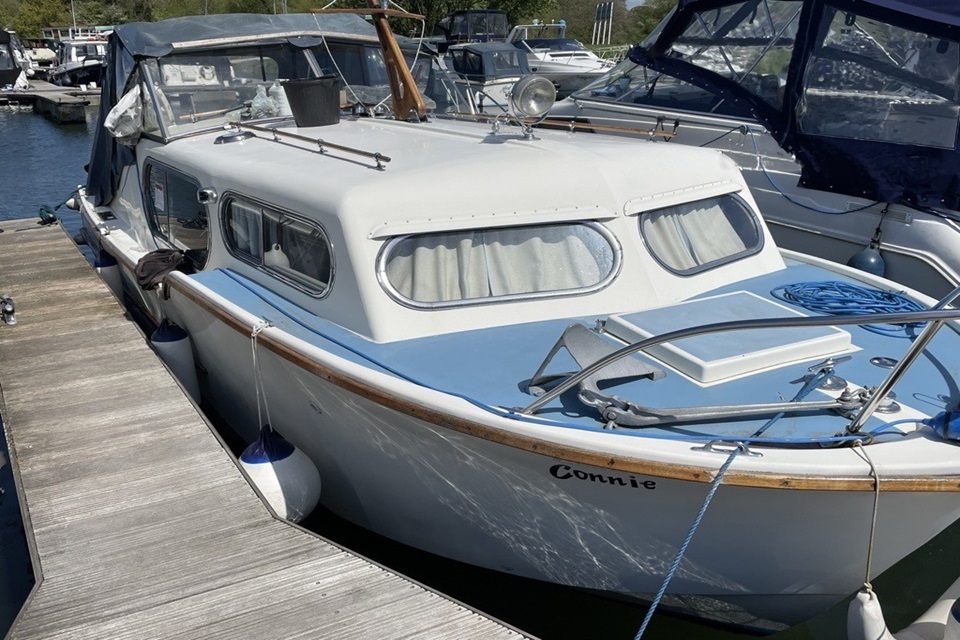
More than £60,000 to be paid by 40 boat owners prosecuted this autumn/winter.
26 further Thames boat owners failed to register their vessels despite warnings
Sustainable construction policy is moving from flagship projects to regulation, retrofit, carbon pricing and climate risk. Europe’s revised Energy Performance of Buildings Directive is putting National Building Renovation Plans at the centre of environmental sustainability in construction, with energy poverty, affordable housing and a just transition now tied directly to sustainable building practices. Done well, this can turn retrofit into an industrial strategy for energy-efficient buildings, net zero carbon buildings and lower life cycle cost, rather than a fragmented subsidy programme.
A potential link between the UK and EU emissions trading systems would strengthen the commercial case for whole life carbon, embodied carbon and whole life carbon assessment across major projects. Steel, cement, glass and other high-emission inputs are central to the carbon footprint of construction, making embodied carbon in materials harder to ignore. Stronger carbon pricing could accelerate low carbon design, low carbon construction materials, sustainable material specification, environmental product declarations (EPDs) and lifecycle assessment as standard requirements for developers, contractors and investors.
Flood resilience is becoming a core test of sustainable building design. The UK’s new national flood resilience network, linking universities, government and industry, reflects the growing need for green infrastructure, sustainable urban development and climate-adapted building lifecycle performance. Flood protection can no longer sit outside project appraisal; life cycle thinking in construction now requires resilient design, resource efficiency in construction and circular economy principles that reduce long-term risk.
Operational performance remains a weak point for green construction. Hong Kong’s difficulty in reducing overcooling in shopping malls shows the limits of voluntary pledges where controls, commissioning and accountability are weak. Eco-design for buildings, sustainable design, BREEAM, BREEAM v7 and net zero whole life carbon targets will only deliver results when regulation is enforceable, carbon is visible and performance is measured beyond certification. The next phase of decarbonising the built environment depends on low embodied carbon materials, circular economy in construction, carbon footprint reduction and practical delivery of net zero carbon outcomes.
Whole Life Carbon is a platform for the entire construction industry—both in the UK and internationally. We track the latest publications, debates, and events related to whole life guidance and sustainability. If you have any enquiries or opinions to share, please do
get in touch.
Let's chat!
WLC Assistant
Ask me about sustainability
Hi! I'm your Whole Life Carbon assistant. I can help you learn about sustainability, carbon assessment, and navigate our resources. How can I help you today?