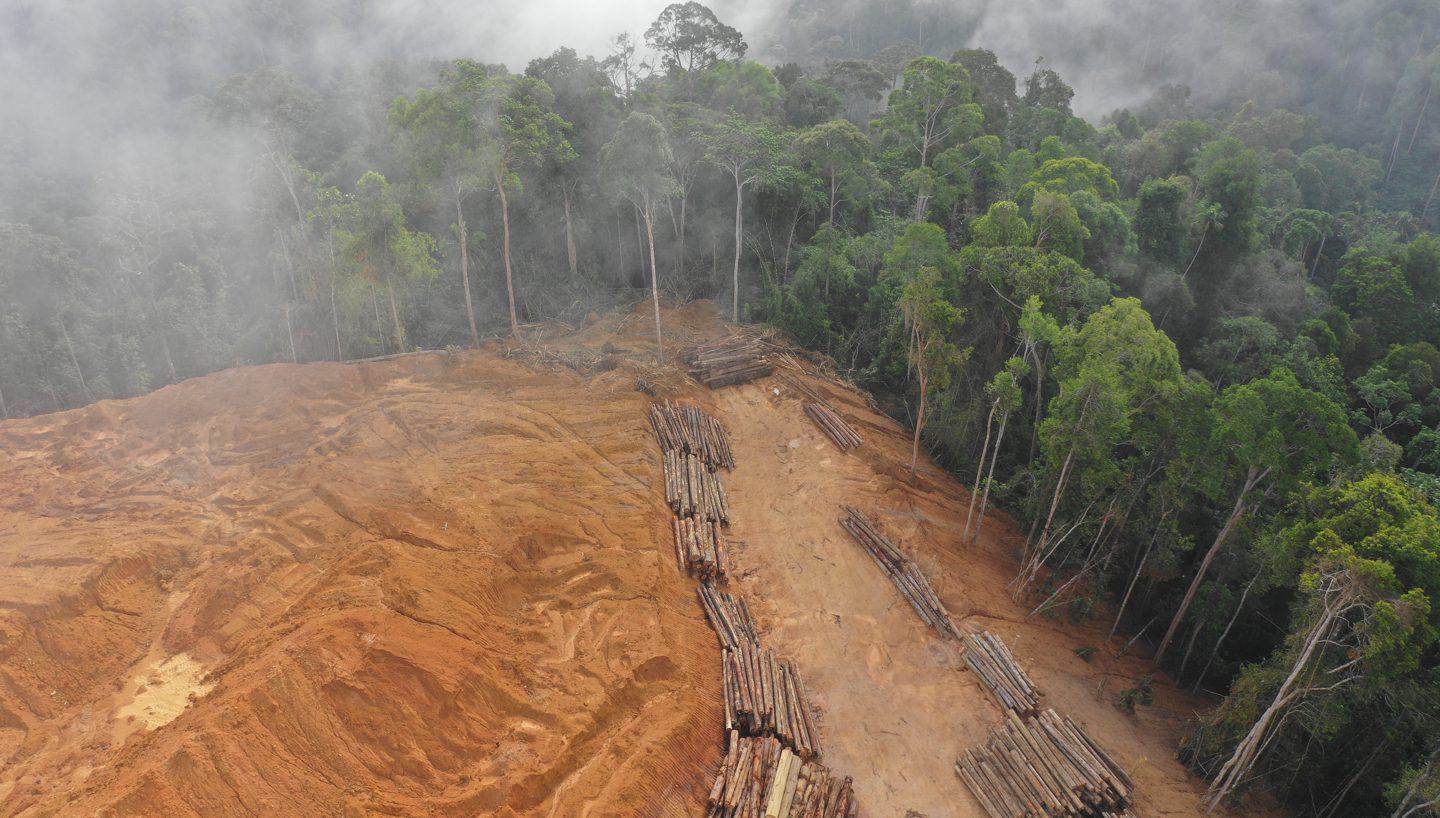
Businesses including Nestlé, Ferroro, Tony’s Chocolonely and Mars Wrigley have written to the European Commissions warning that proposed delays to the EU Deforestation Regulation (EUDR) would “risk the preservation of forests worldwide”.
Sustainable construction in the UK is shifting from headline targets to measurable building lifecycle performance. Building-services bodies are urging government to treat housebuilding as an engineering, retrofit and delivery challenge, with low-carbon heating, skills capacity and energy-efficient buildings central to sustainable building design. Andy Burnham’s proposal to scrap gas standing charges could improve the economics of heat pumps and accelerate low carbon building upgrades, supporting net zero carbon buildings and wider decarbonising the built environment.
Climate resilience is becoming a core requirement of environmental sustainability in construction. Warnings from the Royal Meteorological Society on heat and cold extremes highlight the need for low carbon design that reduces peak energy demand, not buildings that intensify it. Drought alerts from water companies reinforce the case for sustainable building practices, resource efficiency in construction, water reuse, green infrastructure and climate-adapted landscapes within sustainable urban development.
This supports life cycle cost decisions, sustainable material specification, environmental product declarations (EPDs), low embodied carbon materials and low carbon construction materials. The strongest projects will apply life cycle thinking in construction, whole life carbon and net zero whole life carbon principles from concept stage.
The approval of the Jackdaw gas field exposes the policy tension facing green construction: cleaner buildings are being promoted while fossil-fuel infrastructure expands. Developers, contractors and clients seeking credible sustainable design, eco-design for buildings and eco-friendly construction will need to prioritise circular economy principles, circular economy in construction, embodied carbon in materials, end-of-life reuse in construction and circular construction strategies. Demand for BREEAM, BREEAM v7 alignment, renewable building materials, green building materials and green building products is likely to grow as regulation, finance and occupier expectations converge around net zero carbon, carbon footprint reduction and carbon neutral construction.
Whole Life Carbon is a platform for the entire construction industry—both in the UK and internationally. We track the latest publications, debates, and events related to whole life guidance and sustainability. If you have any enquiries or opinions to share, please do
get in touch.
Let's chat!
WLC Assistant
Ask me about sustainability
Hi! I'm your Whole Life Carbon assistant. I can help you learn about sustainability, carbon assessment, and navigate our resources. How can I help you today?