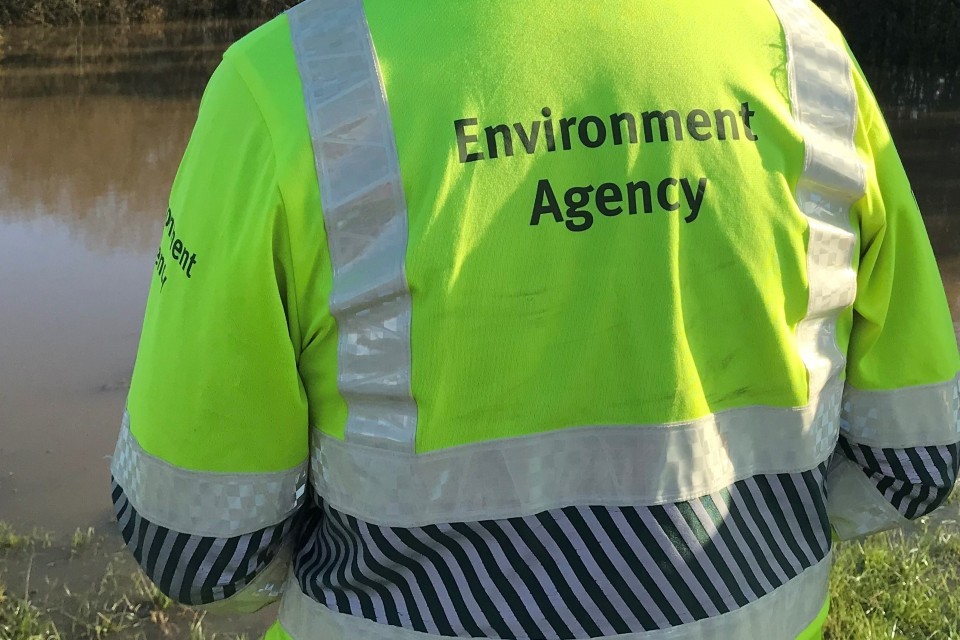
Environment Agency investigation ends in prosecution of company which ignored waste permit regulations and orders to stop operations on site in Birmingham.
Sustainable construction is shifting from climate diplomacy to regulation, compliance and household energy economics. COP31 drafts recognise the risk of breaching 1.5C and retain support for electrification, but the absence of explicit fossil-fuel phase-down language leaves decarbonising the built environment dependent on national rules, procurement standards and measurable delivery. For the sector, the priority is now whole life carbon, embodied carbon and robust whole life carbon assessment rather than broad ambition.
In the UK, the Future Homes Standard and updated Part L requirements are moving energy-efficient buildings, low carbon design and sustainable building design into baseline compliance. E.ON’s claim that batteries added to existing domestic solar could unlock £201m in extra bill savings reinforces the case for homes as small energy assets, where fabric efficiency, on-site renewable generation and storage are assessed through life cycle cost, lifecycle assessment and building lifecycle performance.
Industrialised construction is gaining relevance as safety regulation and environmental sustainability in construction converge. Offsite and modular methods can support Building Safety Act gateways through repeatable processes, clearer records and stronger quality assurance, while also improving resource efficiency in construction, reducing the carbon footprint of construction and supporting circular construction strategies. The argument is less about modular building as an automatic virtue and more about controlled production, traceable sustainable material specification and better evidence for net zero carbon buildings.
The delivery risk remains infrastructure instability. Faster consent alone will not produce the green infrastructure, low carbon building programmes or sustainable urban development required for net zero carbon. Investors and contractors need a reliable pipeline, credible standards and data-led decisions on embodied carbon in materials, low carbon construction materials, environmental product declarations (EPDs), end-of-life reuse in construction and circular economy in construction.
The direction is clear: sustainable building practices are becoming compulsory, not optional. Sustainable design, eco-design for buildings, life cycle thinking in construction and circular economy principles are moving into mainstream compliance. BREEAM, BREEAM v7, net zero whole life carbon targets and low embodied carbon materials will increasingly define credible green construction, carbon footprint reduction and the next phase of eco-friendly construction.
Whole Life Carbon is a platform for the entire construction industry—both in the UK and internationally. We track the latest publications, debates, and events related to whole life guidance and sustainability. If you have any enquiries or opinions to share, please do
get in touch.
Let's chat!
WLC Assistant
Ask me about sustainability
Hi! I'm your Whole Life Carbon assistant. I can help you learn about sustainability, carbon assessment, and navigate our resources. How can I help you today?