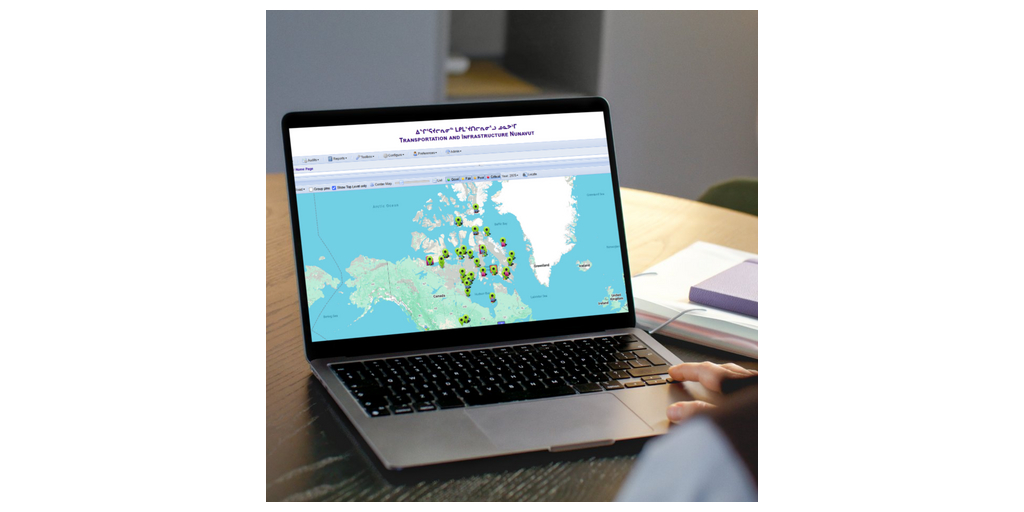
Ameresco, Inc. (NYSE: AMRC), a leading energy solutions provider dedicated to helping customers navigate the energy transition, today announced a contract re...
Sustainable construction is shifting from voluntary ambition to core risk management. The UN’s warning that current pledges still imply about 2.8°C of warming strengthens the case for sustainable building design, whole life carbon assessment and life cycle cost modelling at the earliest project stage.
Post-drought subsidence risks show why climate resilience must sit beside embodied carbon, whole life carbon and building lifecycle performance, particularly where rewetting can shrink, swell or destabilise soils beneath foundations.
The redesigned £249m Bridgwater Tidal Barrier underlines the same point: green infrastructure must withstand flood risk, inflation and long-term operational pressures.
Decarbonising the built environment is moving into construction plant and site logistics. The Lower Thames Crossing is becoming a major test for hydrogen-powered equipment, with JCB and Toyota pursuing combustion and fuel-cell routes to reduce diesel dependence. The sector’s priority is no longer abstract net zero carbon messaging, but practical carbon footprint reduction across machinery, fuel supply and delivery. Stronger lifecycle assessment, resource efficiency in construction and low carbon design will be needed to prove real gains in the carbon footprint of construction.
Low-carbon heat and materials are gaining commercial weight. The National Geothermal Centre says the UK could unlock 10GW of geothermal heat by 2050, supporting energy-efficient buildings, low carbon building schemes and net zero carbon buildings where grid capacity is constrained. Holcim’s renovated Zug headquarters points to circular economy in construction, low carbon construction materials and sustainable material specification as boardroom-level priorities.
Claims around green concrete and green building products need robust environmental product declarations (EPDs), scrutiny of embodied carbon in materials and credible routes to end-of-life reuse in construction. BREEAM, BREEAM v7 and net zero whole life carbon standards will increasingly shape eco-design for buildings, circular construction strategies and environmental sustainability in construction.
Whole Life Carbon is a platform for the entire construction industry—both in the UK and internationally. We track the latest publications, debates, and events related to whole life guidance and sustainability. If you have any enquiries or opinions to share, please do
get in touch.
Let's chat!
WLC Assistant
Ask me about sustainability
Hi! I'm your Whole Life Carbon assistant. I can help you learn about sustainability, carbon assessment, and navigate our resources. How can I help you today?